Blog

Do you know what is in your toothpaste?

Ingredients for Homemade Toothpaste

Ingredients for Homemade Toothpaste

Many of us think very carefully about what kind of food we put on our plates. After all, there are hundreds of toxic chemicals, colourings, additives, and preservatives that are pumped into processed food every single day, and the last thing that we would want is to have them in our bodies! But after you have eaten your evening meal, do you think about what else you are about to put in your mouth: toothpaste?

Perhaps you should. Further investigation into the ingredients of toothpaste has revealed that there are many chemicals within it that are not really suitable for human consumption. Of course, we do not really eat toothpaste, but we certainly will absorb a certain amount in our day to day lives. For example, triclosan is contained within most toothpaste ingredient lists, and it is technically classed as a pesticide. And no, that isn’t a mistake: companies are knowingly putting a pesticide into our toothpaste.

Another frightening toxic chemical that is being poured into our toothpaste every day is BHT, or Butylated Hydroxytoluene. It is rather a mouthful, but you certainly wouldn’t want to get a mouthful of it. It is immunotoxic, which means that it reacts very badly with our immune systems, the part of our bodies that are there to prevent any nasty diseases from taking over. If that part of our body is being attacked, it is probably accurate to say that we should not be having it in our bodies!

There are many other chemicals in normal toothpaste brands that are questionable, such as sodium hydroxide, an organ toxin, or PEG-12, which is another toxin. The most important thing is to be informed about which ingredients are dangerous for you and your loved ones, and which will just happily go along cleaning your teeth.

To learn more about natural dentistry, visit http://besttoothpaste.net/fluoride-free/holistic-dentist-san-diego/

Botox Training – Patient Generating Tactics for Doctors

trained botox injectorIf you offer Botox services in your practice, it is important that you are able to attract a steady stream of new patients.  Fortunately, there are quite a few great marketing tactics that have been proven effective by many doctors throughout the country.  You may want to consider implementing some, or all, of the following patient generating ideas to help build your business. If you have not, as yet, learned to administer botulinum toxin, you may want to consider doing so after reading this article.

Optimize Your Website

One of the best ways to draw in new customers is by getting them to your website, where you can explain the many benefits and answer a potential patient’s questions.  There are many ways to get people to visit your website, including the following proven effective strategies:

  • Search Engine Optimization – You can identify what your potential customers are searching for on Google, and optimize your site so that it will show up near the top of the search results.
  • Search Engine PPC Advertising – If you’re looking for a faster way to get people to your site, you can buy advertising for specific keywords on Google or the other search engines.  You’ll pay for each person who visits your site, but they can be very targeted leads.
  • Social Network Advertising – You can also advertise on sites like Facebook.  These ads can be shown only to people who meet your specific requirements (such as age, income, ect).

Once people are on your site, it is important to present them with the information they need to make a decision to come into your practice.  Offering to set up an appointment, explain how the procedure works, and even giving them a general price guide can help to keep them interested in your services.

Referral Programs

Another great way to bring in new clients is to set up a referral system that will encourage current clients to recommend your services to their friends and family.  One great thing about this type of marketing is that most of your current patients will likely have a number of people they know who would benefit from the service as well.

A potential down side of this marketing strategy is that some people won’t want their friends and family to know that they are getting Botox treatment, so they won’t make the recommendation.  Due to the fact that Botox is becoming so popular, however, this is a fairly small percentage of your overall customer base.

Hosting Botox Parties

Since it is possible to perform a large number of Botox procedures very quickly, hosting Botox parties is a great way to bring in new customers.  Partnering with local people in your target audience to bring people together for this service is a great idea.  Since the procedure is done in a more relaxed atmosphere, many people will be likely to try it.  Offering a significant discount for services at the party will bring people in, and those who like the results will be much more likely to become regular patients.

These marketing strategies can bring in a steady stream of new customers for your practice.  Given the fact that most Botox patients require a treatment every few months, this can help to create a thriving business very quickly.

Full details: http://dentox.com/botox-edu-news/botox-injection-training/

Amalgam Fillings

The History

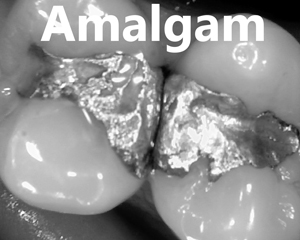
Although the mercury free dental champions  have been espousing alternatives now for many years, amalgam has been around for quite some time, and so is difficult to remove from practice. The earliest evidence of amalgam fillings is from a medical text from approximately 659 AD Tang Dynasty China and was made from tin and silver.  There is also evidence that amalgams were used in Germany in the 1500s.  They were brought from France to the United States by the Crawcour brothers in 1833, and they quickly became very popular among American dentists.  The Dental Society of American Surgeons, formed in 1840, banned the use of amalgam fillings by its members, calling the use of mercury amalgam malpractice.  The organization was disbanded in 1856 and replaced by the American Dental Association in 1859.

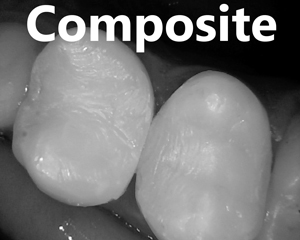
amalgam & composite fillings composite

The Controversy

Amalgam fillings are fully half mercury.  Mercury has been recognized as toxic since at least 1823, when Dr. William Burnet published a report on the effects of mercury vapor.  The controversy didn’t stop dentists from using mercury fillings, and from the middle of the 19th century, the majority of dentists were using them.  Over the next several decades, the health most people gave little thought to what was being put into their mouths.  After all, a large percentage of the population have these things in their mouths, including children who are most vulnerable to toxic chemicals.  Anything that’s so widely used, even on children, must be safe, right?  Not so fast.

In 2007, mercury was ranked the third most toxic substance known by the Agency for Toxic Substances and Disease registry, part of the US Department of Health and Human Services.  Even makers of these amalgam fillings recognize the toxicity of these products.  Packaging for the material carries a disclaimer warning that ingestion of amalgam carries neurotoxic and nephrotoxic health risks.

As if these health risks weren’t enough, amalgam fillings tend to expand, placing pressure on the tooth and leading to fractures.  The material can also pull away from the surface of the tooth over time.

Bottom Line

All this means that, not only are people of all ages walking around with the third most toxic substance known the the US government in their mouths, but that even the manufacturers of these products are aware of the risks.

The good news is there are plenty of alternatives that are just as strong and long lasting as amalgam, but are far safer, don’t stress healthy tooth structure, and are biocompatible.  With all these things in mind, are there any arguments for amalgams?  Most holistic dentists will say no.

To read more about your alternatives to mercury amalgam fillings, visit: http://biocompatibledentist.org/holistic_dentistry/amalgam-fillings/

4 Smart Steps To Preventing Gum Disease

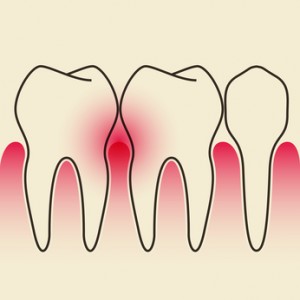
Periodontal disease, also called gum disease, actually impacts more than just the gums. It can cause tooth loss and even loss of bone in the jaw. But some simple home-care actions can help you prevent gum disease and go a long way toward getting any periodontal problems you have under control.

Here are four important steps from your San Diego dental experts, that you can take each day to prevent and treat gum disease by cleaning your teeth better:

Periodontal Disease

  1. Use a homemade toothpaste or the best natural store-bought toothpaste you can find to clean your teeth thoroughly. Be sure to use a soft-bristled brush so you don’t scratch your teeth or gums — or try an electric toothbrush.
  2. Brush your gums as well as your teeth by brushing into the gums to disturb the pockets of harmful bacteria that lead to the negative consequences of gum disease.
  3. Correctly use dental floss to clean bacteria and lodged food debris from the gaps in between teeth where it’s impossible for a toothbrush  to reach.
  4. Use oxygenated water. If bacteria is a problem for you, smother it away by using ozonized water from an ozonizer. These machines add extra oxygen to the water you use to clean your teeth, and the kind of bacteria that does damage can’t live in the presence of oxygen.

When you have a real problem with periodontal disease, a dentist can clear away the bacteria and smooth out the tooth surface so that gums will seal down better by removing plaque and tartar during a tooth scaling or deep cleaning procedure. This usually only has a temporary benefit and must be repeated. A dentist can also trim back gums to physically remove pockets, but this causes sensitivity and can be very unpleasant.

If you don’t already have gum disease, the best advice is to prevent it with good home care. If you already have a problem, let a dentist help you devise the right plan of attack.

To read about how periodontal disease can affect the rest of the body, see www.brightondentalsd.com/procedures/periodontal-disease/mouth-body-connection

How to Minimize Scarring After Mole Removal

Mole removal is a common procedure performed for medical or cosmetic reasons, and while generally harmless, many people worry about the potential for scarring, especially if the mole is on a noticeable part of the body. Areas such as the lips, face, and eyelids are especially sensitive to any kind of treatment, so minimizing the chances of scarring is a great concern for many people. Scarring is a natural part of the body’s healing process, but there are several steps that can be taken to improve the appearance of them and support skin recovery. Scars are not only a cosmetic concern, they can also indicate how well the skin is healing. Understanding how scars form and how to care for the skin after removal can make a significant difference in both the appearance and healing process. 

When a mole is removed, depending on the removal method being used, the skin undergoes a healing process after that. The body works to repair the tissue and protect against infection, which can lead to the formation of scars. Factors like the depth and size of the mole, the removal method being used, and skin type are all contributing factors to how an individual may scar. For example, people with fair skin may develop redness easily, while those with darker skin may be more prone to hyperpigmentation. Additionally, genetics, age, and individual healing characteristics can also affect how a scar forms, making some individuals more prone to raised or thickened scars.

Tips for Smooth Healing

One of the most important ways to minimize scarring after mole removal is to follow the proper care instructions provided by the healthcare professional who removed the mole. This typically involves keeping the removal site clean and protected while it heals. This can include gently washing the area with water and mild soap to prevent infection, which in turn reduces the chances of scarring. Healing ointments or creams may also be provided to help support smooth healing. Also, you should avoid scrubbing or picking at the healing skin, as irritation can increase the risk of a raised or irregular scar. Protecting the skin from extended periods of sunlight is another key factor as UV rays can darken scars and make them more noticeable. Applying a broad-spectrum sunscreen once the skin has fully healed, or covered the area with clothing or a bandage, helps to prevent discoloration and support proper healing. 

Finally, choosing the appropriate method of mole removal for your skin type and mole’s characteristics is very important in determining the likelihood of scarring. Less invasive techniques like radio frequency ablation can result in little to no scarring compared to traditional methods like excision or laser removal. Additionally, monitoring the removal site for unusual changes or slow healing is important, as early detection of a problem allows for prompt evaluation. By combining proper aftercare, choosing what removal method is right for the mole, and consistent skin monitoring, it’s possible to greatly minimize scarring and promote a smooth, healthy recovery. 

Learn More:

The Benefits of Hyperbaric Oxygen Therapy

Hyperbaric oxygen therapy (HBOT) is increasingly being recognized as a powerful, non-invasive treatment with a wide range of health benefits. At its core, HBOT involves breathing **100% medical-grade oxygen** in a pressurized chamber, allowing oxygen to dissolve and diffuse more effectively into the bloodstream and tissues. This enhanced oxygen delivery supports healing, reduces inflammation, fights infection, and stimulates the body’s natural repair mechanisms.

From treating chronic wounds and radiation damage to aiding recovery from concussions or surgery, HBOT is proving to be a versatile therapy that helps patients restore health, vitality, and performance. Whether used as part of a medical treatment plan or as a wellness strategy, its therapeutic effects are drawing increasing attention from researchers, clinicians, and patients alike.

Below, we’ll explore five key benefits of hyperbaric oxygen therapy and how they work together to promote healing from within.

 1. Hyperoxygenation: Fueling Cells with Oxygen

The hallmark of HBOT is its ability to **dramatically increase oxygen saturation** in the body. Under normal conditions, oxygen travels through the blood attached to red blood cells. However, in the hyperbaric chamber, oxygen dissolves directly into the plasma, allowing it to reach areas where circulation is limited or blocked. Research shows HBOT can accelerate oxygen diffusion more than tenfold, delivering vital energy to oxygen-starved tissues.

This flood of oxygen sparks a cascade of beneficial responses: stimulation of white blood cells, release of anti-inflammatory molecules, and activation of stem cells that help repair damaged tissues. For patients with wounds, infections, or conditions caused by low oxygen supply, this process provides a powerful boost to the body’s natural healing systems.

 2. Anti-Inflammation: Calming the Body’s Response 

Chronic inflammation is at the root of many health problems, from autoimmune diseases to post-surgical complications. HBOT has been shown to significantly reduce levels of **pro-inflammatory cytokines** such as IL-6, IL-1B, and IL-2, while increasing the activity of regulatory T cells, which help balance immune responses.

By calming inflammation, hyperbaric medicine allows tissues to heal more effectively and reduces the pain and swelling associated with conditions like diabetic foot ulcers, traumatic brain injuries, inflammatory bowel disease, and persistent infections. For many patients, this means faster recovery and long-term improvements in health.

3. Antimicrobial Effects: Fighting Infection Naturally

Oxygen itself is a natural antimicrobial agent. Many harmful bacteria thrive in low-oxygen environments, and HBOT creates conditions that make it harder for them to survive. At the same time, it strengthens the immune system, enhances white blood cell activity, and improves the effectiveness of antibiotics.

This antimicrobial action makes HBOT especially valuable in treating stubborn or life-threatening infections, such as **osteomyelitis (bone infection), necrotizing fasciitis (flesh-eating disease),** and chronic soft tissue infections. By limiting bacterial growth and reducing tissue damage, HBOT helps the body overcome infections that might otherwise resist treatment.

4. Neovascularization: Building New Blood Vessels

A lack of blood flow can devastate healthy tissue, particularly in patients with diabetes, radiation damage, or chronic wounds. HBOT promotes **neovascularization**, the growth of new blood vessels, by stimulating the release of growth factors and stem cells that form capillaries.

This improved circulation delivers more oxygen and nutrients to damaged areas, allowing them to regenerate and heal. Clinical studies highlight its effectiveness in treating diabetic ulcers, radiation-induced injuries, and failed skin grafts, making HBOT a valuable tool in both reconstructive surgery and chronic wound care.

5. Stem Cell Mobilization: Unlocking the Body’s Repair System 

Perhaps one of the most exciting benefits of HBOT is its ability to **mobilize stem cells** from the bone marrow into the bloodstream. Research has shown that after a series of treatments, the number of circulating stem cells can increase up to eightfold. 

Because stem cells can develop into many different types of tissue, they play a critical role in regeneration and repair. Combined with hyperoxygenation, reduced inflammation, and improved circulation, stem cell activation makes HBOT a powerful therapy for recovery and long-term wellness.

The Future of Healing with HBOT 

Hyperbaric oxygen therapy represents a remarkable intersection of natural healing and modern science. By harnessing the simple yet essential element of oxygen, HBOT provides a safe and effective way to support recovery from a wide variety of health conditions. From accelerating wound healing and controlling infections to enhancing cellular wellness and performance, its benefits continue to expand as research grows.

As more clinics and hospitals adopt this therapy, HBOT is poised to become a cornerstone of integrative medicine, offering patients a path to recovery, resilience, and renewed vitality.

Resources:

healmedo2.com

Everything You Need to Know About Lip Filler

Outside of Botox and Dysport, lip fillers are one of the most sought-after non-surgical cosmetic treatments today. They are commonly offered at plastic surgery clinics and medical spas, providing a quick, non-invasive way to enhance lip volume, improve shape, and create a balanced, youthful appearance.

If you’ve been searching for “lip injections near me” or “lip injections in Richmond” you probably have questions about how the treatment works, what results to expect, and whether it’s the right choice for you. This guide will walk you through everything you need to know about lip fillers, from the basics of the procedure to benefits, recovery, and common myths.

 What Are Lip Fillers?

Lip fillers are injectable treatments designed to add fullness, refine shape, and smooth fine lines around the mouth. Most lip injections use **hyaluronic acid (HA) fillers, a gel-like substance that the body naturally produces. HA attracts water molecules, hydrating the skin and creating a plumping effect that looks natural and feels soft. 

Popular filler brands include Juvederm, Restylane, RHA, and Versa. While each has slightly different formulations, all work by restoring volume and structure to the lips. Because hyaluronic acid is biocompatible, these fillers are considered safe and reliable when administered by trained professionals.

Benefits of Lip Fillers

Lip fillers are about more than just achieving a fuller pout. Patients often choose this treatment for a variety of reasons, such as:

**Natural-looking results**: A skilled injector can enhance your lips in a way that looks balanced and proportionate to your facial features.

**Customizable treatment**: Whether you want subtle definition or a more dramatic plump, the procedure can be tailored to your goals.

**Non-surgical solution**: Unlike implants or other invasive procedures, fillers require no incisions, stitches, or extended downtime.

**Immediate improvement**: While some swelling is normal, results are visible right away and refine further as healing progresses.

**Boost in confidence**: Many people feel more confident in their appearance after lip fillers, as the treatment helps achieve a harmonious, youthful look.

 The Procedure: Step by Step 

Knowing what to expect can help calm nerves if you’re new to cosmetic injectables. A typical lip filler appointment involves:

1.Consultation Your provider discusses your goals, examines your facial structure, and recommends the right filler product for your needs.

2. **Preparation** – A topical numbing cream or dental block may be used to minimize discomfort. Some clinics also offer nitrous oxide for patients who feel anxious.

3. **Injection** – The filler is carefully injected into precise areas of the lips. The process usually takes about 20–30 minutes.

4. **Aftercare** – Mild swelling and bruising are common, but these effects generally fade within a few days. Patients receive aftercare instructions to promote healing.

How Long Do Lip Fillers Last?

Lip fillers provide long-lasting, but not permanent, results. On average, the effects last **six to twelve months**, depending on the type of filler, the amount used, and your body’s metabolism. Touch-up treatments can extend the results, but full retreatment is rarely necessary if maintenance is consistent. Some patients even notice certain areas lasting longer than others.

-Common Myths About Lip Fillers

Despite their popularity, lip fillers are surrounded by misconceptions. Let’s set the record straight:

**Myth 1: Lip fillers look fake.**

  *Reality*: Poor results usually come from inexperienced injectors or overfilling. When performed correctly, fillers create soft, natural-looking lips that complement your face.

 **Myth 2: Lip fillers are painful.**

  *Reality*: Thanks to numbing creams, dental blocks, and advanced techniques, most patients experience only mild discomfort during treatment.

 **Myth 3: You’re stuck with fillers once you start.**

  *Reality*: Hyaluronic acid fillers naturally dissolve over time. You can choose whether to continue treatments, take a break, or stop altogether.

Final Thoughts

Lip fillers are one of today’s most versatile and effective cosmetic procedures. They provide instant, customizable results with minimal downtime, making them a top choice for people who want to enhance their lips without surgery.

The key to success is choosing an experienced injector who understands facial balance and tailors the treatment to your unique features. With the right provider, lip fillers can subtly enhance your natural beauty and give you results that feel authentic, not overdone.

Resources

drgodin.com

Tips to Minimize Flood Damage

Heavy rains, melting snow, and spring thaws can quickly turn into serious threats for homeowners. Water that seeps into a basement or floods a home can destroy personal belongings, damage structures, and create costly cleanup efforts. Fortunately, there are many preventive steps you can take to minimize risks before the snow melts or a storm arrives. This comprehensive checklist highlights key actions that help reduce the severity of flooding and protect both your home and your family.

Protecting Your Basement and Foundation

Check and maintain your sump pump.** Clean the sump pump and pit thoroughly, then test the unit by pouring water into the basin to ensure it is working. Consider having a backup submersible pump in case the primary one fails. The discharge hose should release water several feet away from your home on sloping ground to prevent it from cycling back into the foundation. Avoid routing sump pump water into septic or city sewer systems, as this can overload them and lead to backups.

**Move snow away from the foundation.** If the soil slopes one inch per foot away from the house, simply pushing snow three to five feet away reduces the chance of seepage.

**Install or repair downspouts.** Make sure gutters and downspouts are clear and extend far enough to direct meltwater and rain safely away from the foundation.

**Protect window wells.** Since basement windows cannot withstand heavy water pressure, contour the soil and, if necessary, build small barriers to divert water away. You can also hire a professional pressure washing company.

Safeguarding Personal Belongings and Hazardous Materials

**Move valuables to higher ground.** Relocate family photo albums, personal videos, tax records, insurance papers, and household inventories from low shelves to higher levels of the home.

**Relocate hazardous items.** Paint, oils, cleaning agents, and other chemicals should be moved above potential flood levels. Keeping these materials elevated prevents contamination if water enters the basement.

Emergency Planning for Families and Pets 

**Plan an evacuation route.** Identify safe paths and destinations in advance, especially if roads near your home flood easily. Know whether you’ll head to a shelter, a relative’s home, or a friend’s house.

**Include pets in your plan.** Since most shelters do not allow animals, prepare ahead by arranging a safe location for pets. Leaving them behind risks both property damage and their safety.

**Assemble essential supplies.** For potential power outages, gather bottled water, nonperishable food, a manual can opener, flashlights, a battery-powered radio, and extra batteries.

**Prepare an evacuation kit.** Pack water, ready-to-eat food, disposable eating utensils, warm clothing, blankets or sleeping bags, a first-aid kit, medications, cash, credit cards, and important phone numbers. Don’t forget baby supplies or special needs items for elderly family members.

Fuel and Drainage Safety

**Anchor fuel tanks.** Fuel tanks can tip over or float in floodwaters, releasing oil or gas that contaminates your home. Anchor tanks securely to the floor, and ensure fill openings and vents are above expected flood levels. For propane tanks, consult the provider for permission or assistance with anchoring.

**Seal basement drains.** If sewer backups are a risk, install removable drain plugs. Hardware stores sell expandable plugs with rubber centers that create a tight seal when compressed. As an alternative, a properly sized rubber ball wedged and braced into the drain opening can serve the same purpose.

**Cover permanent drain grids.** Place a partially inflated inner tube around the drain, cover it with plywood larger than the tube, and brace it against the ceiling with a two-by-four. This setup helps reduce seepage, though some minor leakage may still occur.

**Plug other drains.** Toilets, shower drains, and even washer or sink drains can be sealed using the same techniques as floor drains. This step helps prevent sewage and floodwaters from backing up into living spaces.

Final Thoughts

Water damage can be devastating, but many problems can be avoided with preparation. From maintaining sump pumps and redirecting snow to protecting valuables and creating evacuation plans, these steps reduce risks and increase peace of mind. While no plan can eliminate every hazard, taking precautions before heavy rains or melting snow arrive gives you and your family a critical advantage.

By acting early and thoughtfully, you can help safeguard your home, protect your health, and lessen the long-term costs of flooding.

Resources:

floodmanagement.com

Use of Modern Doors to Accentuate Style

Sliding Door in HouseDoors are an essential to any building and are used to partition home or commercial spaces. However they don’t need to be boring or the usual casual doors. With KNR Sliding Door Company, you will find home and office closet doors to suite your décor while compliment the style. Closet doors are a natural and stylish way of concealing storage space whether in the office or home.

Wooden framed modern closet doors with several screen panels can be used to create and turn a dull room into a stylish modern space. The idea should be to combine design and usability when searching for the right door, to blend with the rest of the room.

Choosing The Right Door

A door should have a bold design to compliment the décor while showing its strength from the thickness and accuracy formed in its welding. The right choice should be durable if a stringent quality control mechanism has been put in place while production. However, with these attributes achieved (durability, strength, and safety), affordability should also be a consideration too for anyone looking for contemporary stylish sliding doors. With KNR Sliding Door Company these attributes are met, making us a one stop shop for doors to partition and remodel spaces at home or commercially. Their sliding doors have wheel systems to provide a quite glide while ensuring the door remain in place. The thickness in the materials used ensures durability and strength for both the aluminum and glass doors.

Modern Home Doors that compliment the decor

Home closet doors vary depending on the space and type of closet. Walk in closets and shelving require more elaborate doors.  However, the choice should always bring out functionality and style while blending easily with the décor. For instance a Bi-fold and louvered closet door is usually great in saving space while allowing air circulation within.  Whereas sliding closet doors make the best choice for small spaces: because they tend to take up less space. Doors can be fitted to reflect the gender preference or reflection as well. For instance, aluminum sliding door can be adopted to blend in a masculine bedroom effortlessly while adding a contemporary and cool look.

Doors can form a positive illusion to any building. Doors that reach from top to bottom will tend to make entries seem larger, while vibrant wood tones add a natural character to a room’s exterior. Natural doors can also give a bolder effect if the textural exterior stands in contrast with its surrounding especially for concrete. A glass clad exterior can gain a substantial weighty look if the door is camouflaged within its bordering panels.

At KNR Sliding Door Company, we meet your needs for glass closet doors, wooden closet doors, TV closet doors, name it; for both commercial and home needs. Whether looking to build, remodel or replace the existing doors to fit a more contemporary look, think KNR Sliding Doors.  Since their modern door systems are crafted with finesse to depict a state of the art look. Why then settle for normal when an architectural magnificent can be brought right to your home with the unique yet personalized style that blends with your décor?

Reference: http://knrslidingdoors.com


Dental Implants

Dental Amalgam Removal

Root Canals

Tooth Extraction Options

Gentle Dental Treatment – Preventing Tooth Pain

https://www.youtube.com/watch?v=IXG4dC_cHXM

PPA News Updates is powered by Wordpress | WordPress Themes